|
|
|||||||||||||
THE VOLLEY
|
|||||||||||||
|
|
|||||||||||||
|
Volleying the
ball frequently is key to winning. When watching two players of similar level
in a hard match, I would put my money on the one who volleys more. Unless of
course he tries to volley drop almost everything. It is obvious that a player
should volley to keep his opponent behind, and then volley to put the ball
into the front corners. |
|||||||||||||
|
|
|||||||||||||
|
Volleying has three general
advantages. The player who volleys, will not give up the T (unless he
mistakenly sends the ball right into the middle of the court!!) He will also save energy because he
doesn’t have to go all the way to the back corners. (Note that a player who
attacks a lot on the volley may find it hard work, but in the long run, it is
energy very well spent. It is generally better to make big efforts to attack
rather than chase the opposition’s shots.) Finally, he will allow his
opponent less time. |
|||||||||||||
|
|
|||||||||||||
|
Now it is
obvious that all works well as long as the players' volleys are precise and
he/she doesn’t attempt to volley almost unreachable shots. At this point, I
feel the moment is right to get one concept perfectly clear. |
|||||||||||||
|
|
|||||||||||||
|
Whacking the
ball at a hundred miles an hour to increase the pace of the game, serves no
purpose if these hard shots are not precise, or are not backed up with frequent
volleying. Using up lots of energy to hit the ball hard would be a waste, if
shots within your reach are not volleyed, but rather left to go past.
Therefore, it is logical that priority number one is accuracy. Priority
number two is taking the ball early. Only then can we get to number
three
and hit the ball hard on the volley. It would only be in vain to make
the extra effort to hit the ball on the volley, and hard, only to send it
near the opponent. You will be surprised to find that the pace of the game
has increased for you and not the other player. That is, the exact opposite
result will be attained. |
|||||||||||||
|
|
|||||||||||||
|
If you get a
chance to watch the top professionals, note how a great player like Peter
Nicole takes the pace to higher levels by insisting on staying light on his
feet and volleying frequently. Especially when his opponent is showing signs
of fatigue, he may be very tiered himself, but he will still volley
accurately rather than hard. He takes the ball early, rather than hammering
it with all his strength. |
|||||||||||||
|
|
|||||||||||||
|
All the shots
that have been explained, such as the drop shot, sidewall boast, kill-shot,
etc may be played on the volley. For technical information on each of these
shots, go to the dedicated section. |
|||||||||||||
|
|
|||||||||||||
|
|
|||||||||||||
THE VOLLEY
|
|||||||||||||
|
|
|||||||||||||
|
The drive
played on the volley is one of the essentials in
playing winning squash. As seen earlier, the drive is a fundamental shot,
which could be very effective. More so, if played on the volley. In this
case, you will not have to go all the way back to the corners and give up the
T to your opponent. At the same time, your opponent will have to go back and
forth at an accelerated pace and remain behind you. In other words, he will
be working much harder than you, and still kept in a defensive position. |
|||||||||||||
|
|
|||||||||||||
|
Keeping the
other player on the move and under pressure will also create the perfect
environment for the use of deception to wrong-foot the opponent. See how by going to the section on deception. |
|||||||||||||
|
|
|||||||||||||
|
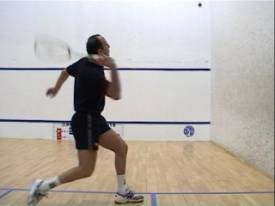
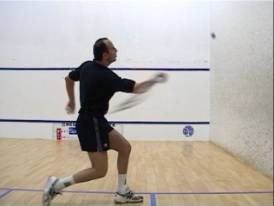
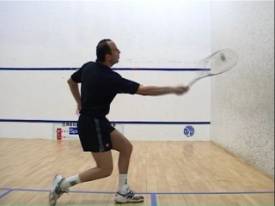
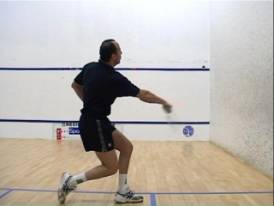
The photo
sequence below demonstrates the shot. The shot can also be viewed in action
in the following video clips. Starting on the forehand side, the videos cover
a range of different ball and body positions to offer a fairly comprehensive
explanation of the shot. Make sure you have already mastered the basic
forehand technique before attempting the shot on the volley. |
|||||||||||||
|
|
|||||||||||||
|
|
|
|
|
||||||||||
|
|
|||||||||||||
|
|
|
|
|
||||||||||
|
|
|||||||||||||
|
|
|
|
The photo
sequence shows how the movement is very similar to the normal straight drive.
Note however, that the arc traced by the arm and racket is on the rise during
the swing and descending on the follow-through. The racket is more vertical
when the ball is struck and there is also some downward wrist action after
impact. The higher the ball, the more accentuated this is. |
||||||||||
|
|
|||||||||||||
|
The frhnd vlly drv othr ft bk vw frhnd vlly othr ft frnt vw frhnd vlly hg bll frnt vw |
|||||||||||||
|
|
|||||||||||||
|
|
|
|
It is usually
easier to stretch to the side and volley by stepping forward with the right
foot. This should only be attempted after perfecting technique with the use
of the left foot. When using the right foot, make sure that the left knee is
turned towards the sidewall, as in the photo on the left. Leaving the knee
pointed towards the front wall inhibits a correct stance and rotation. |
||||||||||
|
|
|||||||||||||
|
Moving on to
the backhand side, let us first watch how the shot is |
|||||||||||||
|
|
|||||||||||||
|
|
|
|
|
||||||||||
|
Despite having to volley a high ball, the
elbow remains low during the early part of the swing. |
|||||||||||||
|
|
|||||||||||||
|
|
|
|
|
||||||||||
|
The racket head rises
and then descends on the follow-through. |
|||||||||||||
|
|
|||||||||||||
|
The same shot
can also be played off the |
|||||||||||||
|
|
|||||||||||||
|
This This is
further illustrated in the photo on the right. When volleying to the
backcourt, always make a mental note of the speed of the ball, it's
trajectory, and the resulting length achieved. |
|
|
|
||||||||||
|
|
|||||||||||||
|
The video
clip, which can be viewed |
|||||||||||||
|
|
|||||||||||||
|
In contrast,
this |
|||||||||||||
|
|
|||||||||||||
|
|
|
|
|
||||||||||
|
|
|||||||||||||
|
|
|||||||||||||
|
|
|||||||||||||
|
Some further
words of advise on technique may resolve
potential problems. Timing is even more important when volleying, for two
reasons. Number one, it is easier to get the timing wrong when volleying
because the ball comes towards the player at a faster speed. It does not
bounce first, hence, does not slow down. Positioning the body for a volley is
more difficult and when the ball is high up in the air, especially on the
backhand the player cannot make much use of his muscular strength. Therefore,
it is the player’s ability to smoothly accelerate the racket head and make
clean contact with the ball, which allows him/her to hit hard enough. The
ball must be struck while the racket tip is still accelerating but very close
to its maximum speed. It is vital to have this ability, in order to attack
and also get out of some sticky situations. |
|||||||||||||
|
|
|||||||||||||
|
So, when you
volley, give important consideration to the following. You must be able to
relax and move your arm smoothly. Think of accelerating your racket instead
of trying to snatch at the ball. Acceleration will allow you to use the right
muscles at the right time and get the most power without excessive effort, as
had been explained before. (See relaxation, and co-ordination.) This in turn makes you use up the least energy for maximal results.
|
|||||||||||||
|
|
|||||||||||||
|
Co-ordinating the ball’s
speed and that of the racket completes the package. Identify the point of
impact. Concentrate on the ball’s speed and work out how long it will take to
reach this point. Also consider how much time it will take to get your racket
accelerating smoothly to get to that same point. If your calculations are
right, you will receive a beautiful sensation and the ball will go where you
want. If however, you just let things happen, you will either hit the ball
too early or find yourself late and suddenly have to snatch at the ball. All
leading to disastrous results and a frustrating feeling of weakness. |
|||||||||||||
|
|
|||||||||||||
|
Volleying the
ball when really tight to the sidewall is very difficult indeed, but learning
this trick takes the player to new levels. Even a great opponent possessing
admirable precision will find himself locked behind you. The secret to this
shot is to let the point of impact remain very late, perfectly in line with
the right shoulder (right handed player) while keeping the head still, and tons of practice. Try the exercises in Shot Squash 2000. Remember not to
grip the racket tightly and try to feel the ball. You will sometimes have to
use the frame to play this shot. Good luck. |
|||||||||||||
|
|||||||||||||